“You look tired” is one of the most common reasons patients ask about under-eye treatment, often when they do not feel tired at all. The concern is real, but the cause is not always the same, and treating the wrong cause is the main reason under-eye treatment disappoints.
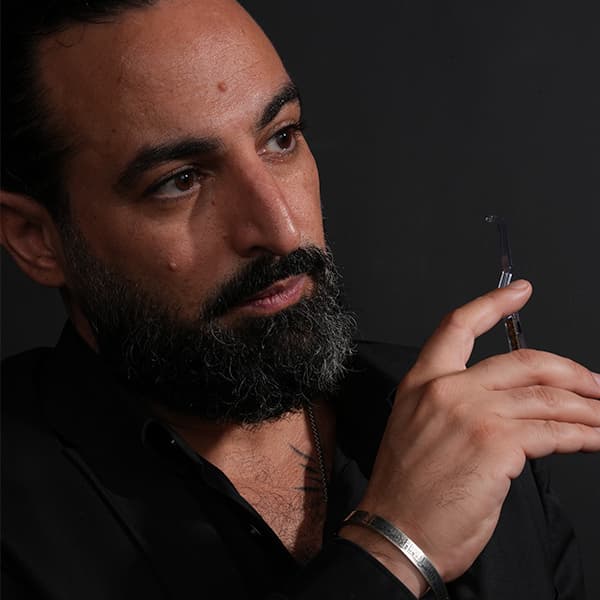
In this video, Dr Rami Haidar clears up the confusion around tired-looking eyes at Excellence Medical Boutique in Jumeirah, Dubai. This article covers the two main causes he describes, the treatment that matches each, and why consultation matters more under the eyes than almost anywhere else in the face.
Dr Rami Haidar | 14th April 2025 | Excellence Medical Boutique, Dubai
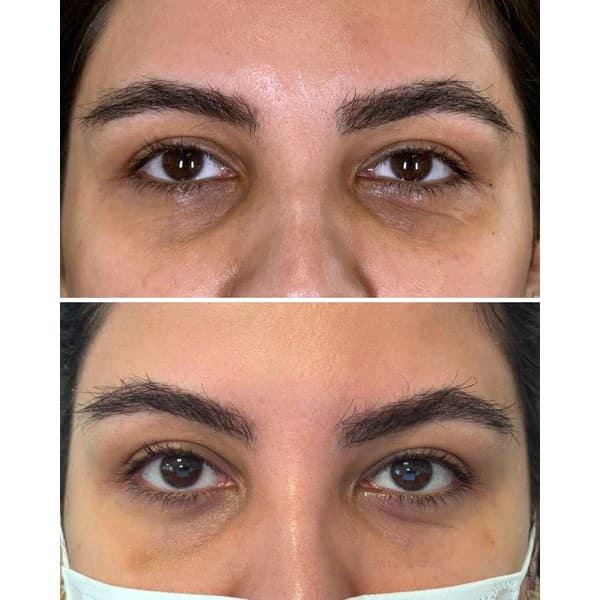
Tired-looking under-eyes are usually caused by loss of volume, skin pigmentation, or both. Volume loss creates a hollow, often called the tear trough, which casts a shadow beneath the eye. Pigmentation is a darkening of the skin itself, which shows as brown or bluish discoloration whatever the lighting.
The two can look similar at a glance, which is where much of the confusion comes from. One is a problem of structure, and the other is a problem of the skin.
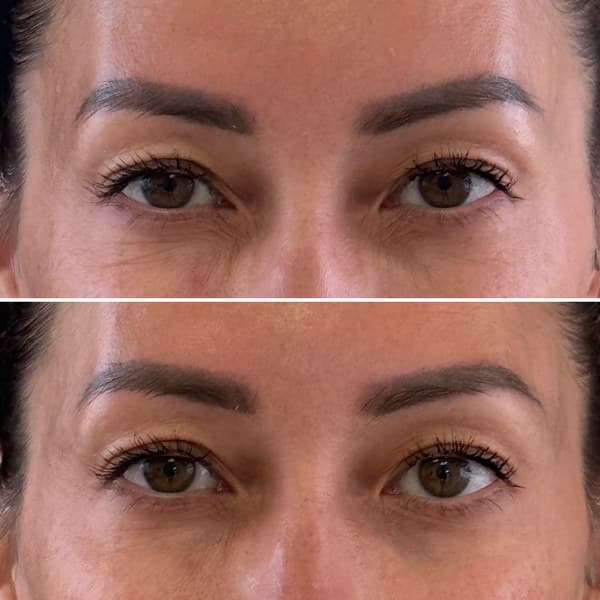
Volume loss under the eyes is usually treated with hyaluronic acid filler. With age, the fat and supporting tissue beneath the eye thin and descend, and the junction between the lower eyelid and the cheek becomes visible as a groove. A small amount of soft filler placed carefully along that groove can reduce the hollow and the shadow it creates.
The under-eye is one of the most delicate areas of the face to treat. The skin is thin and the area holds fluid easily, so too much product, or product placed too superficially, can cause puffiness or a bluish tint. Not every hollow suits filler, and patients with marked eyelid laxity or sunken eyes alongside under-eye bags may be better assessed for blepharoplasty.
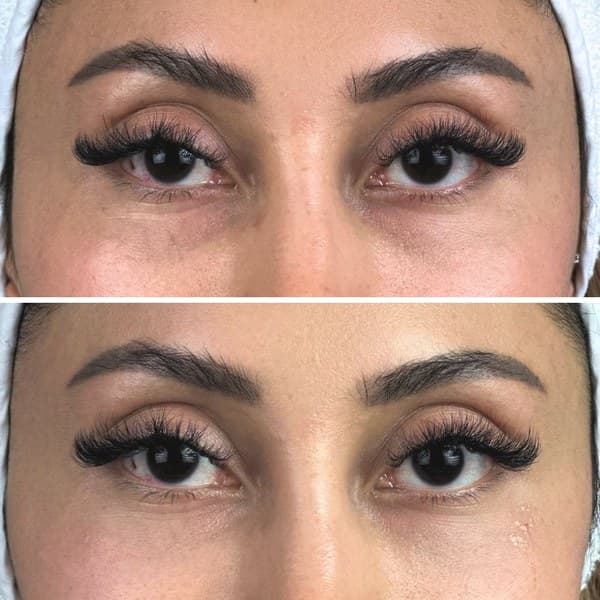
For under-eye pigmentation, Dr Rami’s preferred treatment is polynucleotides, also known as Salmon DNA. Polynucleotides support repair, hydration and collagen in the thin skin beneath the eyes. As skin quality improves, darkness and crepey texture may become less visible, with results building gradually over a course of treatment.
Pigmentation under the eyes has more than one cause, including genetics, inflammation and blood vessels showing through thin skin. Some patients with dark circles or hyperpigmentation benefit from additional measures such as skincare or laser treatment, which is part of what assessment determines.
You can combine filler and Salmon DNA under the eyes when volume loss and pigmentation are both present. Filler addresses the hollow, while polynucleotides improve the quality of the skin over it. Each treats a different cause, so combining them can give a more complete result than either alone. The order and timing are planned at consultation, and the tear trough filler vs polynucleotides article covers the comparison in more detail.
Dr Rami’s one piece of advice in the video is that a good consultation means a good treatment. Because hollowness and pigmentation can look alike, treatment chosen without proper assessment often targets the wrong cause. Filler will not lighten pigmented skin, and a skin treatment alone will not fill a deep hollow.
Assessment under the eyes includes looking at the area in different lighting, checking eyelid support and puffiness, and judging skin thickness. Dr Rami’s background in Oral and Maxillofacial Surgery means that assessment also considers the bone and cheek support beneath the eye, which strongly influences how the area ages.
If people often tell you that you look tired, the first step is finding out why. Dr Rami Haidar sees patients at Excellence Medical Boutique in Jumeirah, Dubai, and can advise whether filler, Salmon DNA, a combination or a different approach is appropriate for your under-eyes.
Located in the heart of Jumeirah, Dubai, Excellence Medical Boutique is more than a clinic, it’s a destination. A sanctuary where innovation, expertise and care come together to enhance your natural beauty and confidence. Excellence Medical Boutique is conveniently located on 197 Jumeira St, Jumeirah, Jumeirah 1, Dubai. This makes it easy for patients travelling from across Dubai to visit for consultation and treatment.