The under-eye is among the most requested areas in aesthetic medicine and among the least forgiving. The skin is thin, the tissue beneath it is minimal, and important vessels sit close to the surface, which means that a product behaving well elsewhere in the face does not necessarily behave well here. For a long time the practical choice in this area was between adding volume and improving skin quality, treated as two separate appointments with two separate products.
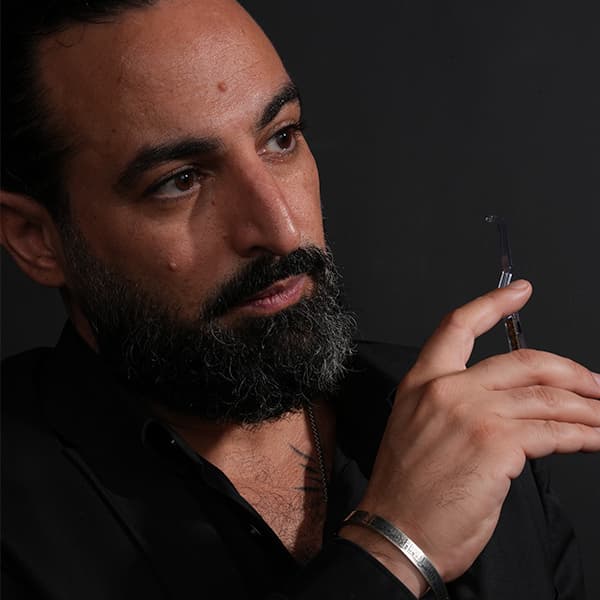
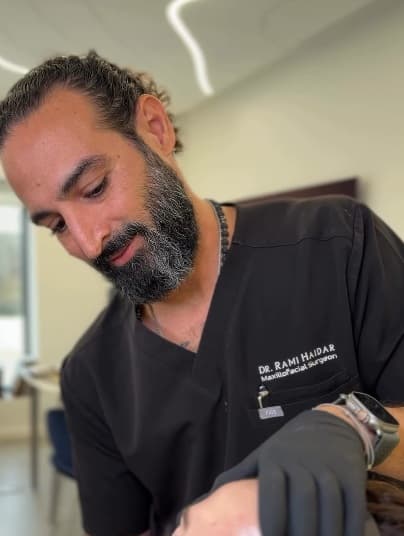
A hybrid injectable changes that calculation by carrying both in one formulation. Dr Rami Haidar uses this approach with patients at Excellence Medical Boutique in Jumeirah, Dubai, and understanding what each component contributes explains why the result has both an immediate and a gradual element, and why a second session is planned from the outset rather than added later.
Dr Rami Haidar | 27th July 2026 | Excellence Medical Boutique, Dubai
The under-eye has very thin skin, little underlying fat, and fine blood vessels running close to the surface. Small changes in volume or hydration therefore produce visible differences, and small errors in placement produce visible problems. It is also an area where tiredness, fine lines and shadowing tend to appear before they appear anywhere else.
This combination of sensitivity and visibility is why product choice matters more here than in most of the face. Many collagen biostimulators are not appropriate for use in this area at all, which has historically limited what could be offered to patients whose concern was skin quality rather than volume.
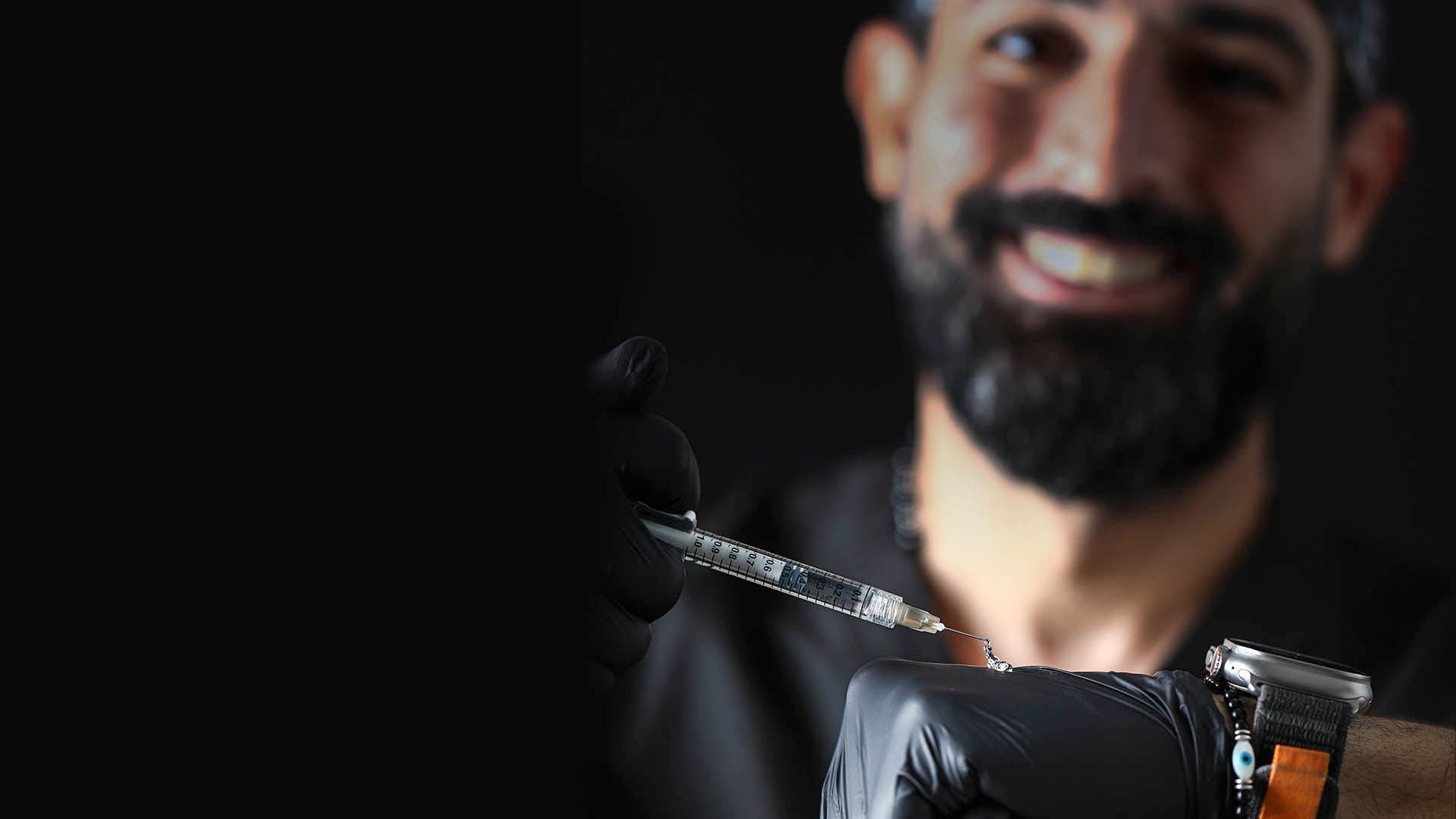
The treatment uses a single injectable containing two active components: poly-L-lactic acid, usually shortened to PLLA, and hyaluronic acid. PLLA is a collagen biostimulator already familiar from other products, and hyaluronic acid is the material used in most conventional fillers.
Combining them means one appointment addresses both volume and skin quality rather than sequencing two treatments. Dr Rami describes the intended effect in three words: it fills, it lifts, and it rejuvenates. The first two come largely from the hyaluronic acid component, and the third from the PLLA working over time.
Dr Rami sets the expectation as a little swelling and a noticeable lifting effect. Swelling in this area is common after any injectable, given how thin the tissue is, and it generally settles over the following days rather than weeks.
Aftercare advice is straightforward: stay well hydrated, and avoid anything that drives significant blood flow to the face while the area settles. Any swelling that feels disproportionate, worsens, or is accompanied by unusual pain or visual change should be reported to the clinic promptly.
PLLA works by stimulating the body to produce its own collagen rather than by occupying space. Nothing is being added in a lasting sense. The product prompts a biological response, and the improvement in skin quality follows from the collagen the patient builds over the weeks that follow.
This is what makes its use under the eye notable. Collagen biostimulators are not widely used in this area, and Dr Rami highlights this formulation as one that can be. That claim is worth confirming against the product’s own licensing before it is repeated in marketing, since it is a point of difference rather than a general property of biostimulators.
Hyaluronic acid provides the part of the result that is visible on the day. It restores volume where the area has hollowed, softening the shadow that makes the under-eye read as tired, and it draws and holds water, which supports hydration in skin that is often dehydrated in this region.
Because the two components work on different timescales, the appearance immediately after treatment and the appearance several weeks later are produced by different mechanisms. This is worth knowing in advance, since it explains why the result is not simply the day one effect gradually fading.
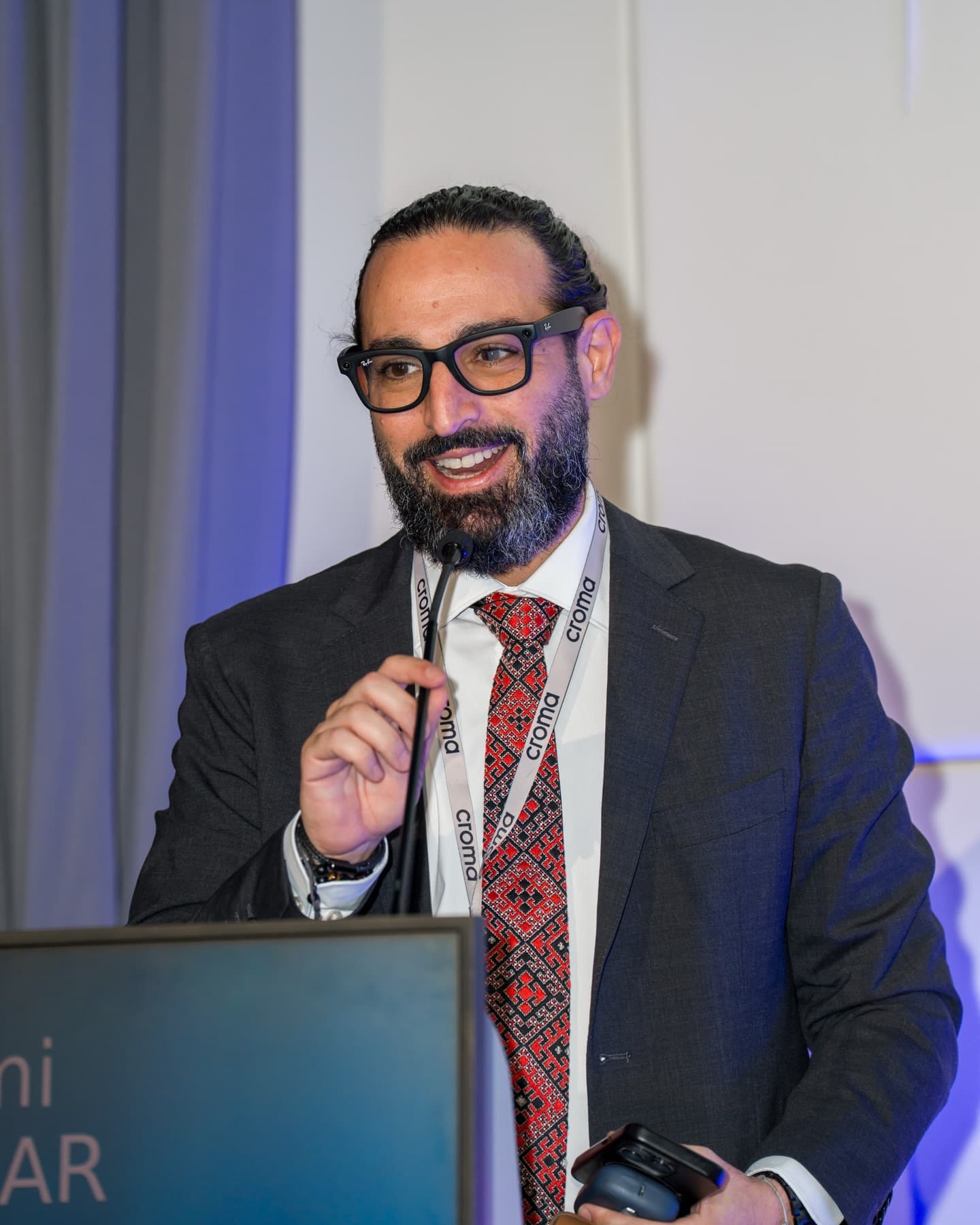
The treatment is planned as a course rather than a single appointment. Patients are reviewed at around a month, at which point the collagen response to the PLLA has begun and the effect of the first session can be properly assessed rather than estimated.
That review determines the second session. Building the result across two appointments allows the dose to be adjusted to how an individual patient has actually responded, which matters more in an area this unforgiving than it would elsewhere in the face.
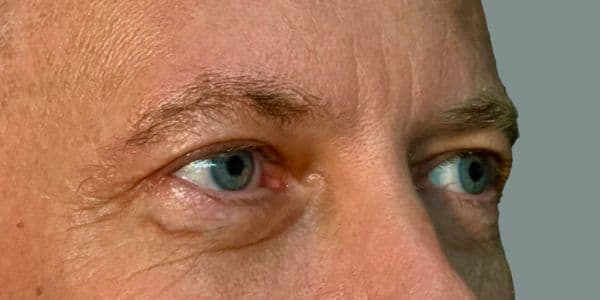
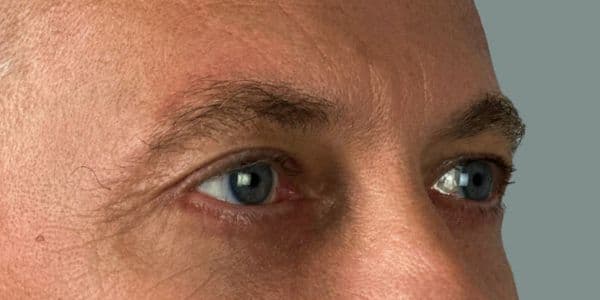
Patients whose under-eye concern involves both hollowing and poor skin quality tend to be the clearest fit, since that is the combination the product is formulated for. Patients whose issue is purely volume, or purely skin texture, may be better served by a single-purpose treatment, and the comparison between tear trough filler and polynucleotides covers those alternatives.
Dr Rami Haidar assesses the area before recommending any injectable under the eye, and in some cases the recommendation is a different product or no injectable at all. Suitability depends on the cause of the appearance rather than on the appearance itself.

If your under-eyes look tired and you are not sure whether the cause is hollowing, skin quality or both, a consultation is the appropriate next step. Dr Rami sees patients at Excellence Medical Boutique in Jumeirah, Dubai.
The assessment establishes what is actually driving the appearance, which determines whether a hybrid treatment, a single-purpose product, or no injectable at all is the right answer in your case.
It is a single injectable containing both PLLA, a collagen biostimulator, and hyaluronic acid. One appointment therefore addresses volume and skin quality together rather than requiring two separate treatments with two different products.
Poly-L-lactic acid, a collagen biostimulator. It works by prompting the body to produce its own collagen rather than by occupying space, so the improvement it delivers develops gradually over the weeks following treatment.
Dr Rami describes it as filling, lifting and rejuvenating. The hyaluronic acid restores volume and softens shadowing immediately, while the PLLA improves skin quality over time through the collagen response it stimulates.
Most are not used in this area. Dr Rami highlights this particular formulation as one that can be, which is a point of difference for the product rather than a general property of biostimulators. Suitability is confirmed at assessment.
A little swelling and a lifting effect. Swelling is common after any injectable in this area given how thin the tissue is, and it generally settles within days. Staying hydrated and avoiding intense exercise while it settles helps.
It is planned as a course. Patients are reviewed at around a month, when the collagen response has begun and the first session can be properly assessed, and the second session is decided at that point rather than booked blind.
Discomfort varies between patients and the area is treated with care given its sensitivity. What to expect for your own treatment, including any numbing used, is discussed before anything is booked.
No injectable treatment is risk free, and the under-eye requires particular anatomical knowledge because of the vessels running close to the surface. Treatment should follow assessment by an appropriately trained medical practitioner, with risks and alternatives discussed at consultation.
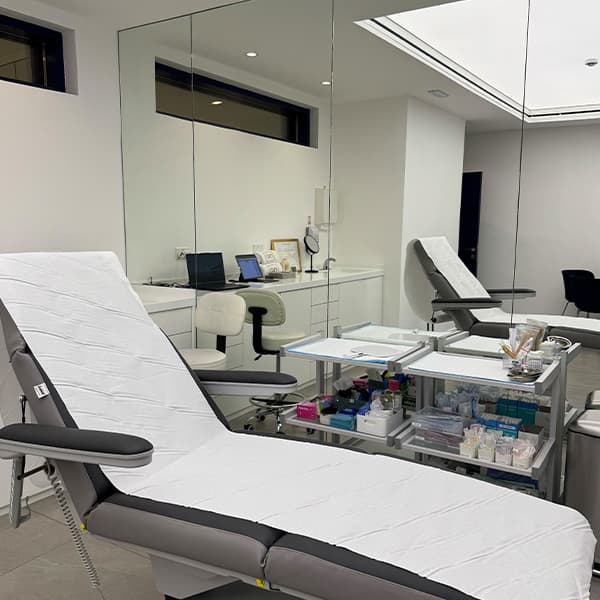
Located in the heart of Jumeirah, Dubai, Excellence Medical Boutique is more than a clinic, it’s a destination. A sanctuary where innovation, expertise and care come together to enhance your natural beauty and confidence. Excellence Medical Boutique is conveniently located on 197 Jumeira St, Jumeirah, Jumeirah 1, Dubai. This makes it easy for patients travelling from across Dubai to visit for consultation and treatment.