
Dr Rami Haidar explains why successful treatment for dark circles starts with understanding the underlying cause, as different types of dark circles require very different approaches.
Written by the team at Dr Rami Haidar | Excellence Medical Boutique, Dubai
Dark circles are one of the most common concerns I see in clinic, and also one of the most misunderstood. Many patients assume all dark circles are the same, but in reality there are several different causes, which is why the right treatment for one person may not work for another.
The under-eye area is particularly delicate, with very thin skin and little room for error when it comes to treatment. That’s why careful assessment is so important before deciding on the most appropriate approach.
The first step is understanding what is actually causing the darkness beneath the eyes.
In many patients, particularly those with medium to deeper skin tones, pigmentation is the main cause of dark circles. The periorbital skin is particularly prone to post-inflammatory hyperpigmentation, sun-induced melanin deposition and genetic pigmentation. When the cause is pigmentation, the discolouration lies within the skin itself, and treatments such as filler or polynucleotides can’t fix the problem. Instead, the appropriate treatment is skin-focused: topical depigmenting agents, targeted peels or energy-based devices that reduce pigmentation specifically.
As we age, volume loss beneath the eyes can create a hollow between the lower eyelid and the cheek. This creates a structural hollow at the junction of the lower lid and the upper cheek that casts a shadow. This hollow can create a shadow that looks like a dark circle, but the cause is structural rather than pigmentary. Tear trough filler, placed correctly, can restore the support that removes the shadow. Skin treatments for pigmentation won’t lighten a shadow caused by volume loss.
In some patients, the dark circles are caused by the visibility of blood vessels through very thin under-eye skin, or by the translucency of the orbicularis oculi muscle beneath the epidermis.
These presentations are more resistant to treatment than either pigmentation or volume loss, and in some cases the degree of improvement available through any current treatment is limited. A good practitioner will communicate this honestly during a thorough consultation.


Polynucleotide treatments are often most suitable for patients whose main concern is the quality of the under-eye skin rather than volume loss or pigmentation. When the skin beneath the eyes is thin, dehydrated or looking tired, polynucleotides can help improve skin strength, hydration and overall skin quality over time.
Unlike filler, polynucleotides do not add volume beneath the eyes or correct hollowing. Their role is to improve the condition of the skin itself. In some patients, they may also be combined with tear trough filler to address both skin quality and structural hollowing together.
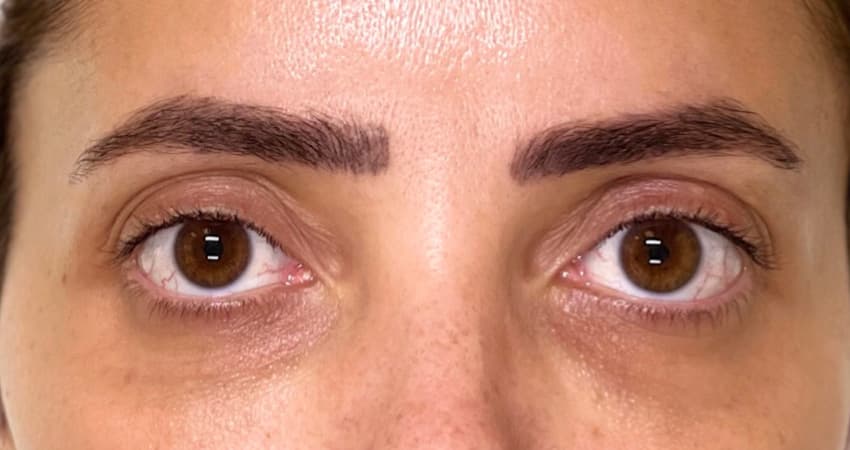
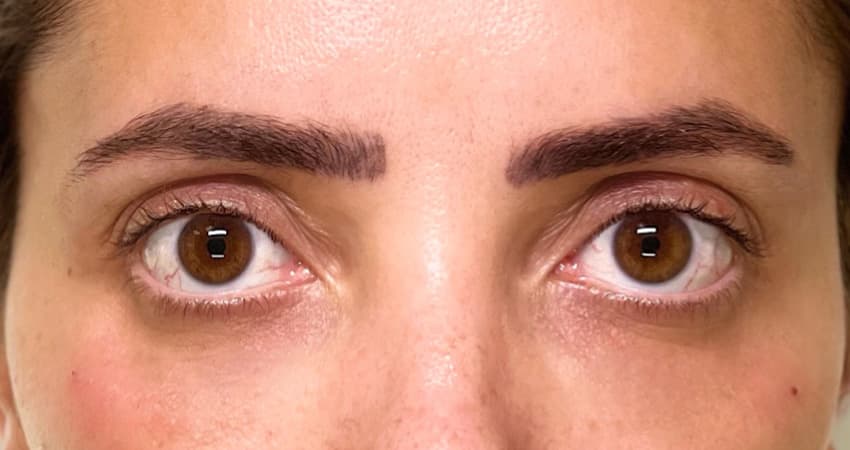
Tear trough filler is usually most appropriate when dark circles are being caused by hollowing beneath the eyes rather than pigmentation. In these cases, carefully placed filler can restore support to the area and soften the shadowing that creates a tired appearance.
The under-eye area is delicate, which is why careful assessment and technique are especially important. Tear trough filler is not always the right solution, particularly when the main issue is pigmentation or poor skin quality rather than volume loss.
If pigmentation is the primary cause, filler is unlikely to make a significant difference to the overall appearance of the dark circles.
In some patients, dark circles are influenced more by lifestyle factors than by structural changes beneath the eyes. Poor sleep, dehydration, allergies, nasal congestion and even high salt intake can all contribute to puffiness, shadowing and increased visibility of blood vessels beneath the skin.
In these situations, improving lifestyle factors may have a greater impact than injectable treatment alone.
Some patients also naturally have more pigmentation beneath the eyes due to their skin tone or genetics. While treatments may help improve the appearance to some extent, it’s important to understand that not every type of dark circle can be completely removed. Setting realistic expectations before treatment is an important part of the consultation process.
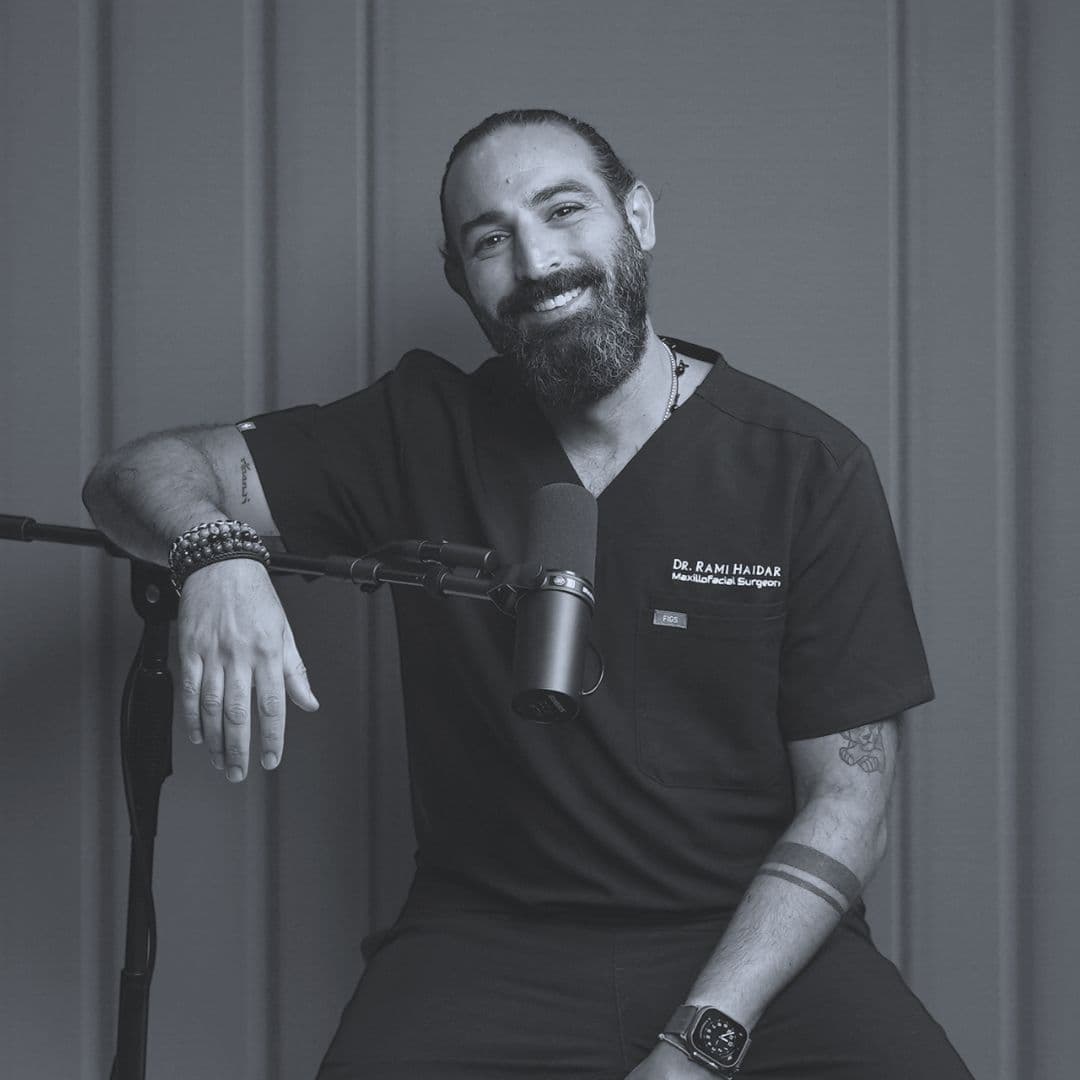
Dr Rami’s approach to treating dark circles begins with careful assessment of the under-eye area and identifying the underlying cause before recommending any treatment. Because dark circles can result from several different factors, choosing the right approach is often more important than the treatment itself.
The goal is to create a treatment plan based on the individual patient’s anatomy, skin quality and concerns rather than applying the same solution to everyone.
A consultation at Excellence Medical Boutique in Jumeirah, Dubai is the best starting point for anyone considering treatment for dark circles.


Dark circles have three primary causes: melanin-related pigmentation within the skin, hollowing beneath the eyes that creates shadowing that creates shadow, and vascular or structural factors such as visible blood vessels beneath very thin skin. Many patients have more than one cause present simultaneously.
Tear trough filler can significantly reduce dark circles caused by structural hollowing at the tear trough junction. It will not improve dark circles caused by pigmentation or vascular factors. The correct diagnosis must be established before treatment is recommended.
Polynucleotides improve the quality and resilience of the periorbital skin, making the under-eye area appear healthier and less translucent. They do not add volume beneath the eyes like filler does.
Tear trough filler addresses loss of volume beneath the eyes and the shadow it creates. Polynucleotides improve the quality of the skin in the periorbital area. They address different problems and are often used together when both are present.
This depends on the cause and the treatment chosen. A course of two to three polynucleotide sessions is typical. Tear trough filler may produce a meaningful result in a single session, with a follow-up assessment recommended.
This depends on the cause. Structural dark circles from tear trough hollowing typically respond well to filler. Pigmentary dark circles can be improved but may not fully resolve. Some types of dark circles are naturally more difficult to treat than others. Honest expectation-setting is always part of the consultation.
I had a great experience with Dr. Rami Haider and I’m very happy with the results of my eyebrow lift surgery. He is not only an amazing and highly skilled doctor, but also such a kind soul who genuinely listens to his patients. He made me feel comfortable throughout the process and delivered results beyond my expectations. Truly one of the best doctors I’ve met highly recommended!
Such a professional doctor. I have zero tolerance to pain and surprisingly I didn’t feel anything. The staff were lovely and sweet. والله انك فنان يا دكتور And coffee was awesome 👏🏻
Excellent and will make you fabulous in a natural way😘!!! Highly recommended.
Located in the heart of Jumeirah, Dubai, Excellence Medical Boutique is more than a clinic, it’s a destination. A sanctuary where innovation, expertise and care come together to enhance your natural beauty and confidence. Excellence Medical Boutique is conveniently located on 197 Jumeira St, Jumeirah, Jumeirah 1, Dubai. This makes it easy for patients travelling from across Dubai to visit for consultation and treatment.