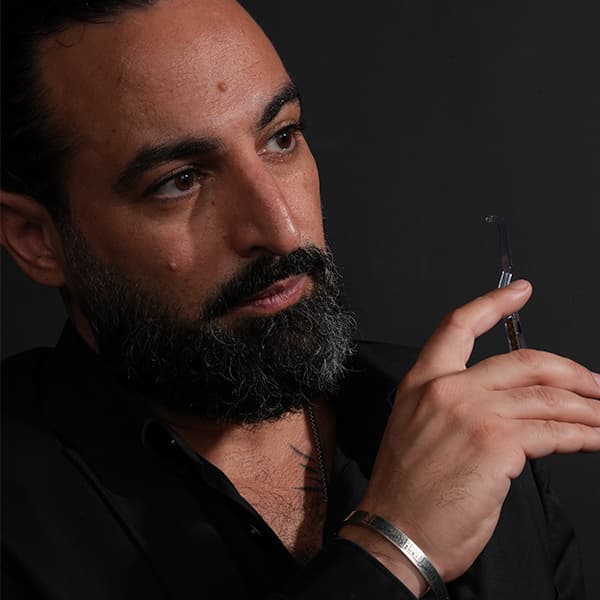
Written by Dr Rami Haidar | 31st August 2026 | Excellence Medical Boutique, Dubai
For patients experiencing moderate to significant facial laxity, the limitations of non-surgical treatment eventually become apparent. Injectables and energy-based devices can provide meaningful improvements in early stages of facial ageing, but they cannot replicate the structural correction achieved by facelift and neck tuck surgery. Understanding when surgery is the appropriate choice, and what the procedure actually involves, allows patients to make informed decisions rather than continuing with treatments that are not matched to their degree of change.
This article explains how facelift and neck tuck surgery works, who is a suitable candidate, what recovery involves, and how Dr Rami Haidar approaches facial surgical planning at Excellence Medical Boutique in Dubai.
A facelift, known clinically as a rhytidectomy, is a surgical procedure that addresses laxity in the lower face and neck by repositioning and tightening the underlying soft tissue and removing excess skin. Modern facelift techniques go beyond simple skin tightening, addressing the SMAS, the superficial musculoaponeurotic system, a layer of tissue beneath the skin that is central to maintaining the structural integrity of the face. By lifting and repositioning the SMAS, the surgeon restores support to the mid-face and lower face in a way that produces natural, durable results.
A neck tuck, or platysmaplasty, addresses laxity in the platysma muscle and excess skin in the neck. It is frequently performed alongside facelift surgery, as the neck and lower face form a continuous anatomical unit, and addressing one without the other often produces an incomplete result.
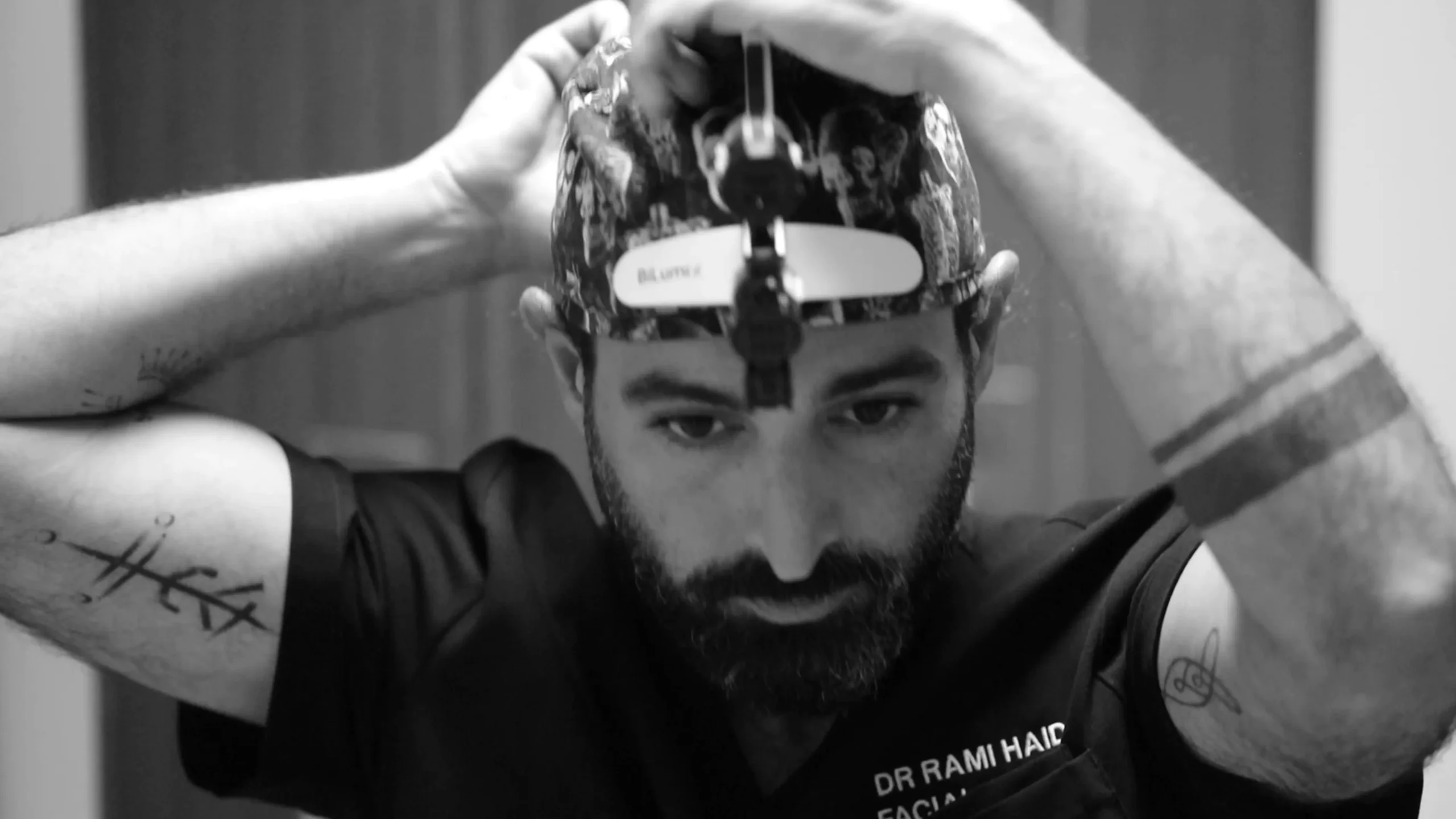
The procedure begins with incisions placed in locations that minimise visible scarring: along the hairline, in front of and behind the ear, and into the natural hairline at the back of the neck, depending on the technique and extent of surgery required. Through these incisions, the surgeon accesses the SMAS layer, which is then dissected, lifted, and repositioned to a higher anatomical position. Excess skin is trimmed and the incisions are closed.
In the neck, the platysma muscle may be tightened by suturing the two bands of muscle at the midline, and excess submental fat may be removed if present. The goal throughout is to restore structural support and a natural resting contour, not to create an artificially pulled appearance.
Several facelift variations exist, including the mini facelift, which addresses the lower face and jowl region with a shorter scar and less extensive SMAS work, and the deep plane facelift, which addresses the mid-face and provides the most comprehensive repositioning of the soft tissue. The appropriate technique depends on the patient’s anatomy and the degree of change present.
Good candidates are patients with moderate to significant facial laxity, jowling, or neck skin looseness that cannot be meaningfully addressed through non-surgical means. Most candidates are in their forties to sixties, though the right time for surgery is determined by anatomy rather than age alone.
Candidates should be in good general health, non-smokers, and have realistic expectations about what surgery can achieve. A facelift restores a rested, natural version of the face; it does not change the fundamental appearance or erase all signs of ageing. The goal is a durable improvement in structure and contour, not a radical transformation.
Patients who have undergone multiple rounds of filler and non-surgical treatment and are no longer achieving satisfactory results may also be appropriate candidates. In some cases, the pattern of ageing or the anatomy involved means that surgery was always the more appropriate option, and delaying it has not served the patient well.
Non-surgical treatments such as radiofrequency, high-intensity focused ultrasound, and injectable treatments can improve skin quality, stimulate collagen production, and address mild-to-moderate laxity. They are genuinely useful treatments in the right patients. However, they cannot physically reposition descended soft tissue, remove excess skin, or address the structural changes in the SMAS that characterise more advanced facial laxity.
Presenting non-surgical options as equivalent alternatives to surgery for a patient who genuinely needs surgical correction is not in the patient’s best interest. An honest assessment should identify the treatment that is most likely to achieve what the patient actually needs, even if that is a more involved option.
Recovery from facelift and neck tuck surgery involves a period of bruising and swelling that typically peaks in the first week and progressively resolves over two to four weeks. Most patients feel comfortable returning to social settings within two to three weeks, once the most visible swelling and bruising has resolved. More strenuous activity should be avoided for four to six weeks.
Temporary numbness, tightness, and altered sensation in the face and neck are expected during healing and generally resolve over several weeks to months. Final results are assessed at around six months, when tissue has fully settled and scars have matured.
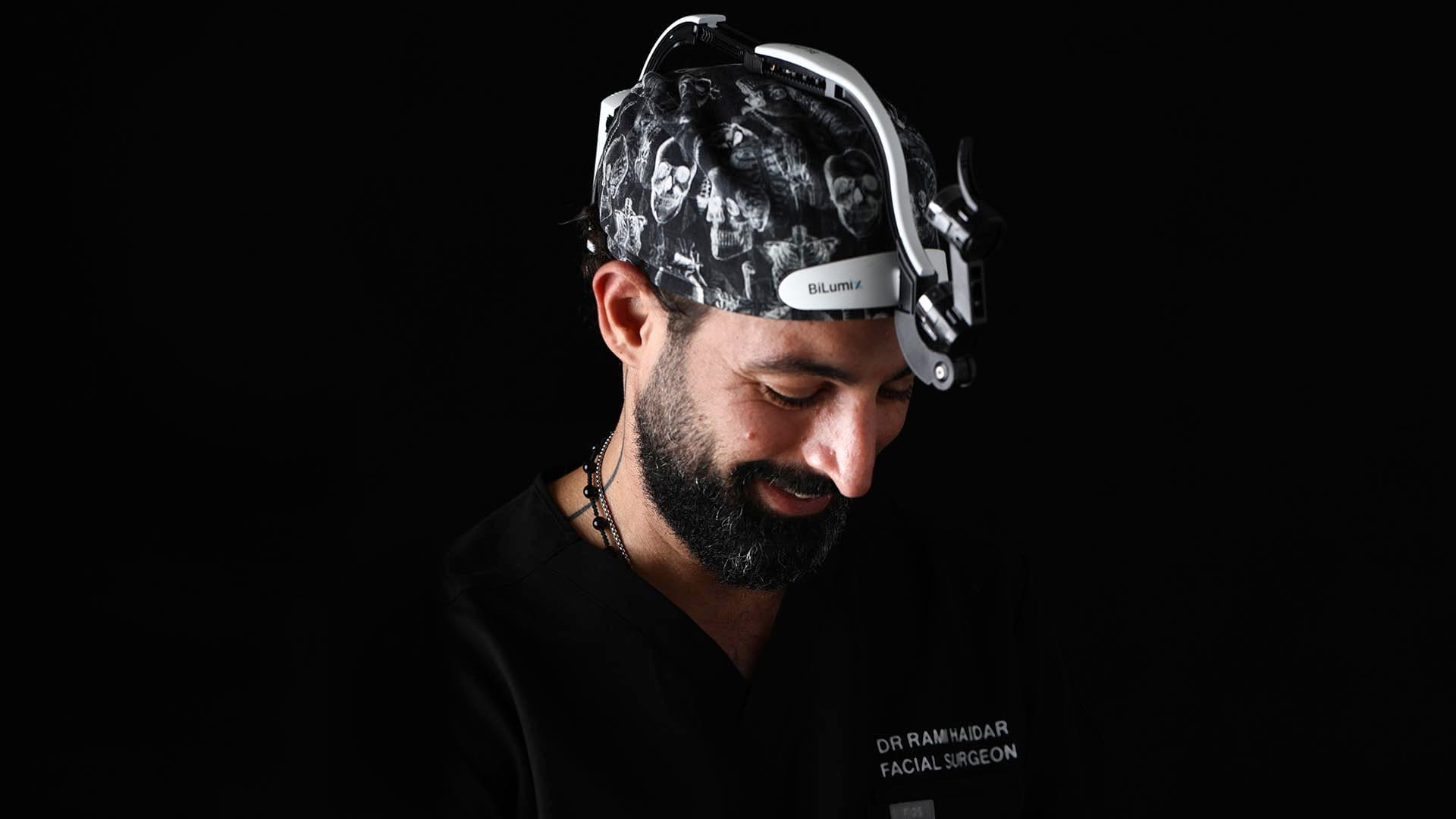
Dr Rami Haidar is a maxillofacial surgeon with specialist training in facial anatomy and facial surgical procedures. His background in oral and maxillofacial surgery provides a thorough understanding of the structural layers of the face that is directly relevant to facelift surgery. At Excellence Medical Boutique in Jumeirah, Dubai, surgical planning is anatomy-led and individualised. Patients are not directed toward surgery unless it is genuinely the appropriate option for their degree of change and their goals.
For patients in Dubai considering facelift or neck tuck surgery, a consultation with Dr Rami is the appropriate starting point. Treatment plans are discussed in full before any surgical decision is made.
A facelift, or rhytidectomy, is a surgical procedure that addresses laxity in the lower face and neck by repositioning the underlying soft tissue and SMAS layer and removing excess skin. It produces a natural, durable improvement in facial contour and structure.
Facelift results are long-lasting. Most patients maintain a significantly improved appearance for ten years or more. The face continues to age naturally after surgery, but the improvement over the un-operated face is sustained over the long term.
A full facelift addresses the mid-face, lower face, and neck through more extensive SMAS repositioning and incisions. A mini facelift targets primarily the lower face and jowl area with a shorter scar and less surgical intervention. The right procedure depends on the degree of change and the areas that need to be addressed.
The procedure is performed under anaesthesia. Post-operative discomfort is managed with prescribed pain relief and is generally described as manageable. Tightness and a feeling of pressure are more common concerns during recovery than acute pain.
Most patients return to social settings within two to three weeks. Strenuous activity should be avoided for four to six weeks. Final results are visible at around six months, once all swelling has resolved and scars have matured.
Yes. Facelift surgery is frequently combined with neck tuck, fat transfer, blepharoplasty, and brow lift procedures to address multiple aspects of facial ageing in a single surgical episode. Combination planning is discussed at consultation based on the patient’s anatomy and goals.
The right time is when the degree of facial laxity or structural change cannot be adequately addressed through non-surgical means and the patient is ready for a surgical procedure. This is determined through assessment rather than by age alone.
Located in the heart of Jumeirah, Dubai, Excellence Medical Boutique is more than a clinic, it’s a destination. A sanctuary where innovation, expertise and care come together to enhance your natural beauty and confidence. Excellence Medical Boutique is conveniently located on 197 Jumeira St, Jumeirah, Jumeirah 1, Dubai. This makes it easy for patients travelling from across Dubai to visit for consultation and treatment.