Collagen and elastin are named together so consistently that most people assume they do the same job. They do not. They are two different proteins with two different functions, and skin that has plenty of one and little of the other behaves in a way neither protein alone would explain.
Understanding which of the two a patient has lost is what makes a treatment plan specific rather than generic. Dr Rami Haidar describes them as the two real heroes behind healthy skin, and the distinction between them is the reason his approach at Excellence Medical Boutique in Jumeirah, Dubai varies between patients presenting with what sounds like the same complaint.
Dr Rami Haidar | 9th June 2025 | Excellence Medical Boutique, Dubai
Collagen provides the skin’s strength and structure. The most useful way to picture it is as scaffolding, the framework that keeps skin firm and supported from underneath.
When collagen declines, skin loses thickness and firmness. It becomes easier to crease, slower to hold its shape, and less able to support what sits above it. This is the protein most people have heard of, and most of the treatments marketed on skin quality are aimed at it.
Elastin does something collagen cannot: it gives skin the ability to bounce back. It is the reason skin can stretch and then return to where it was rather than staying where it was pulled.
This distinction is easy to test on yourself. Skin with good elastin returns quickly when it is pinched and released. Skin with little elastin returns slowly, and that delay is what the word snap refers to when patients say they have lost it.
Production of both proteins begins slowing down with age, and Dr Rami identifies the thirties as the point where that decline starts becoming noticeable. It is gradual rather than sudden, which is why it tends to be recognised in photographs rather than in the mirror.
The visible consequences follow directly from what each protein does. Less collagen produces fine lines and a loss of firmness. Less elastin produces sagging and the loss of that snap. Most patients have some of both, but rarely in equal measure.

Because the two losses do not respond identically. A patient whose main problem is firmness needs a different emphasis from a patient whose main problem is that their skin no longer returns to shape, even though both might describe themselves as looking tired.
This is why Dr Rami uses different types of collagen biostimulator and different types of skin booster rather than a single protocol, selected according to the individual’s skin. The assessment establishes which of the two proteins has declined further, and the plan follows from that rather than from the complaint alone.
Firm and flexible, in Dr Rami’s phrase, rather than simply firm. Skin that is firm but has lost its flexibility does not read as youthful. It reads as tight, which is a different thing and not one most patients are asking for.
This is the argument for treating both proteins rather than pursuing firmness alone. A result that restores structure without restoring the ability to move and recover is only half the outcome, and it tends to show.
Age sets the underlying trajectory, but it is not the only variable. Sun exposure degrades both proteins, and elastin in particular does not recover well from it, which matters considerably in a climate like Dubai’s. Smoking, poor sleep and sustained stress all push in the same direction.
This is why two patients of the same age can present very differently, and why the assessment considers history alongside appearance. It is also the argument for starting protection earlier than treatment, since preventing loss is considerably more straightforward than rebuilding what has gone.
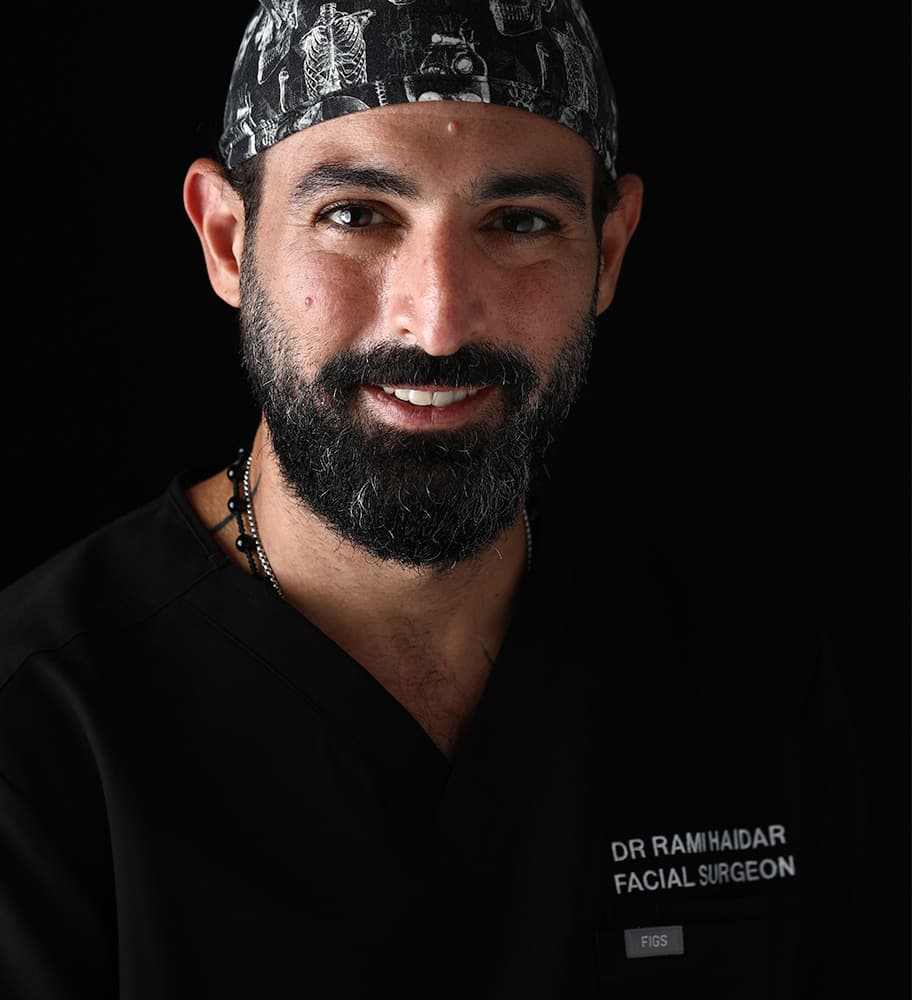
If your skin has lost firmness, or has stopped bouncing back the way it used to, establishing which of the two is the dominant problem is the useful first step. Dr Rami sees patients at Excellence Medical Boutique in Jumeirah, Dubai.
The assessment covers skin thickness, firmness and elasticity separately rather than as a single quality, which is what allows the treatment choice to be specific to your skin rather than generic to your age.
Collagen provides strength and structure, acting as scaffolding that keeps skin firm. Elastin provides the ability to stretch and return to shape. They are different proteins doing different jobs in the same tissue.
Neither on its own. Dr Rami describes healthy skin as firm and flexible rather than simply firm, because skin with structure but no recoil reads as tight rather than youthful.
Dr Rami identifies the thirties as the point where the decline starts becoming noticeable. It is gradual rather than sudden, which is why it is often first recognised in photographs.
Skin stops returning to shape after it is stretched. The visible result is sagging and the loss of what patients describe as snap, which is distinct from the fine lines and loss of firmness that follow collagen loss.
Regenerative and biostimulating treatments aim to prompt the skin to produce more of both. The improvement is built by your own cells, so it develops over weeks rather than appearing on the day of treatment.
Through assessment rather than self-diagnosis. Fine lines and loss of firmness point towards collagen; sagging and slow recoil point towards elastin. Most patients have some of both, rarely in equal measure.
Because the underlying deficit differs. Dr Rami uses different types of collagen biostimulator and different skin boosters selected for the individual’s skin, rather than applying one protocol to everyone.
No. Firmness without flexibility reads as tight rather than youthful. Restoring structure without restoring recoil produces only half the outcome, which is why both proteins are considered.
Located in the heart of Jumeirah, Dubai, Excellence Medical Boutique is more than a clinic, it’s a destination. A sanctuary where innovation, expertise and care come together to enhance your natural beauty and confidence. Excellence Medical Boutique is conveniently located on 197 Jumeira St, Jumeirah, Jumeirah 1, Dubai. This makes it easy for patients travelling from across Dubai to visit for consultation and treatment.