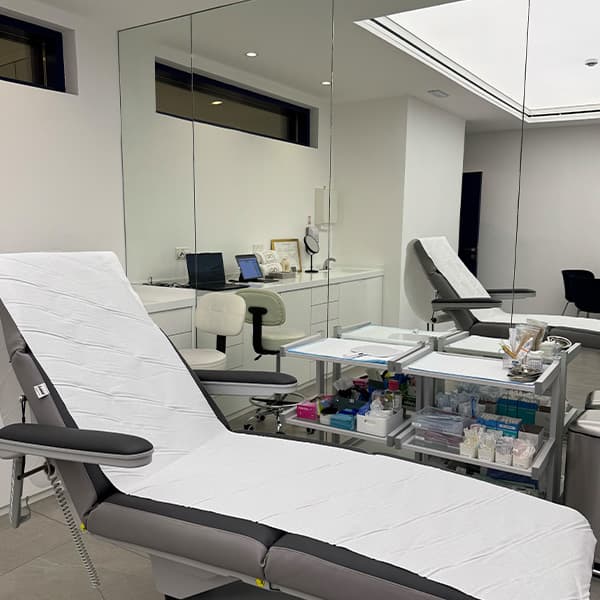
Many patients who are unhappy with the width or shape of their nostrils do not realize that the nostrils can be addressed in isolation, without undergoing a full rhinoplasty. Alarplasty, also called alar base reduction, is a targeted surgical procedure focused specifically on the alar base, the outer portion of the nostril that meets the cheek. This article explains what the procedure involves, who is a realistic candidate, what to expect from recovery, and how it differs from a full nose surgery.
Alarplasty is a surgical procedure that reduces the width or flare of the nostrils by removing a small wedge or crescent of tissue at the alar base. It does not alter the bridge, tip, or overall projection of the nose. The goal is to bring the nostril base into better proportion with the rest of the facial anatomy, specifically the width of the nose relative to the distance between the inner corners of the eyes and the overall midface balance.
The procedure is performed under local anesthesia in most cases and takes approximately one hour.
A full rhinoplasty addresses the structural anatomy of the nose: the bony dorsum, the cartilaginous framework, the tip, and the projection. It is a more complex procedure with a longer recovery and involves reshaping or repositioning the internal architecture of the nose.
Alarplasty addresses only the soft tissue of the alar base. It does not change the bridge, tip shape, or nasal projection. A patient whose primary concern is the width of the nostril base, or the degree of flaring, is often a candidate for alarplasty alone without any intervention to the rest of the nose. A patient whose concerns involve tip shape, bridge height, or overall nasal profile would require a rhinoplasty or a combined approach. These distinctions are made at consultation through a thorough anatomical assessment.
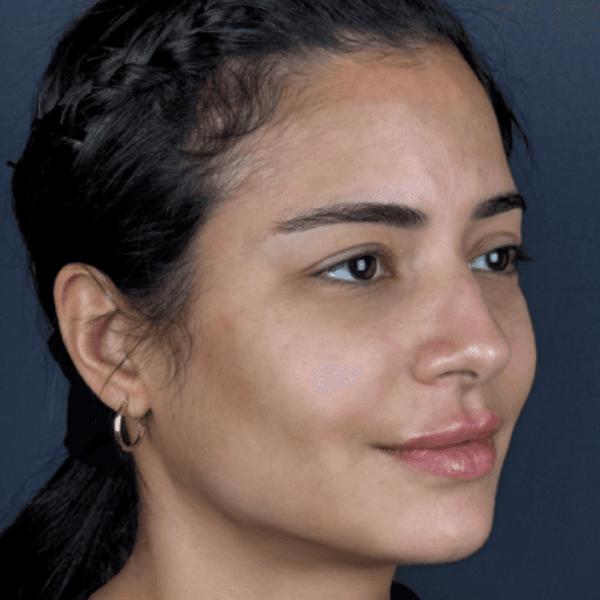
Candidacy for alarplasty is assessed on the basis of nasal anatomy, facial proportion, and the nature of the concern.
Patients who are typically appropriate candidates have a nostril base that is wider than the intercanthal distance (the distance between the inner corners of the eyes), have flared nostrils that become more prominent when smiling or in certain lighting, are looking to refine nasal width without altering the bridge or tip, and have realistic expectations about the degree of change achievable through soft tissue excision alone.
Ethnic considerations: Alarplasty is performed across a wide range of ethnicities and is particularly relevant in patients for whom a broader alar base is a feature of their facial heritage. In these cases, the goal is not to impose a different aesthetic standard but to create proportion that the patient themselves is seeking. A clinical discussion about what degree of change is appropriate for a given facial structure is part of every assessment.
Non-surgical options and their limitations: There are no injectable or energy-based treatments that can reduce the width of the nostril base. Hyaluronic acid filler can alter the perceived shape of the nose by changing the height of the bridge or tip, but it cannot narrow the alar base or reduce flaring. Patients looking for this specific change need a surgical approach.
The incision for alarplasty is placed at the natural crease where the alar base meets the cheek, a location specifically chosen to minimize scar visibility. A small wedge of tissue is removed from each side (the procedure is typically bilateral to maintain symmetry), and the remaining tissue is approximated with fine sutures.
The placement of the incision within the alar crease means that once healing is complete, the scar sits within a natural shadow and is not visible in normal social interaction. Scarring outcomes depend on skin type, sun exposure during healing, and the individual’s healing biology. Patients with a tendency toward hypertrophic scarring should discuss this at consultation.
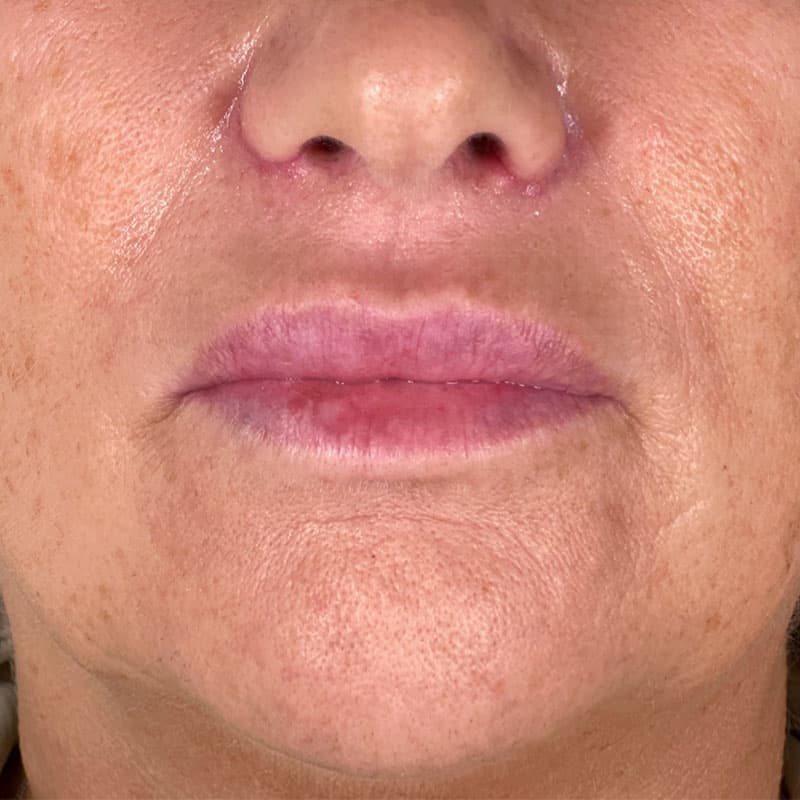
Swelling and bruising around the nostrils are expected in the first week. Sutures are typically removed within five to seven days. Most patients return to normal activity within a week, though strenuous exercise and sun exposure should be avoided for several weeks.
The final result takes time to settle. Initial swelling can temporarily affect the appearance of the nostrils, and the true outcome becomes visible as the tissue heals and softens over the following weeks to months. Patients should not judge the result in the first two to four weeks post-operatively.
Alarplasty produces a permanent structural change. The tissue that is removed does not regenerate. The shape achieved following complete healing is stable. Natural aging will continue to affect the overall face, but the reduction in nostril width achieved by the procedure is not subject to reversal.
Yes. Some patients combine alarplasty with tip refinement as part of a broader rhinoplasty, while others pair it with non-surgical treatments to address other facial concerns. The appropriate combination depends on the patient’s overall goals and anatomy. Learn more about Dr Rami Haidar’s approach and surgical background at docrami.com/about-us/dr-rami-haidar/
A consultation with Dr Rami Haidar is the appropriate starting point for anyone considering alarplasty or alar base reduction in Dubai. To arrange one, visit the nostril reduction page at docrami.com/surgical-treatments/nostrils-reduction/
The incision is placed at the natural crease where the alar base meets the cheek. This location is specifically chosen to minimize scar visibility. Once healed, the scar sits within a natural shadow and is not visible in normal social interaction.
Yes. The tissue removed during alarplasty does not regenerate. The reduction in nostril width achieved by the procedure is permanent and stable following full healing.
Most patients return to normal activity within one week. Sutures are removed within five to seven days. Swelling continues to settle over several weeks, and the final result becomes visible over the following one to three months.
No. There are no injectable or energy-based treatments that can reduce the width of the alar base. Filler can alter the perceived shape of the nose from certain angles, but it cannot narrow the nostrils or reduce flaring. Patients looking for this specific change require a surgical approach.
Yes. Some patients undergo alarplasty as part of a broader rhinoplasty. Others have it as a standalone procedure. The appropriate approach depends on the patient’s anatomy and the full scope of their concerns, which is discussed at consultation.
Located in the heart of Jumeirah, Dubai, Excellence Medical Boutique is more than a clinic, it’s a destination. A sanctuary where innovation, expertise and care come together to enhance your natural beauty and confidence. Excellence Medical Boutique is conveniently located on 197 Jumeira St, Jumeirah, Jumeirah 1, Dubai. This makes it easy for patients travelling from across Dubai to visit for consultation and treatment.